

What is Malta Independence Day?
Malta Independence Day is a national holiday celebrated every year on 21 September, marking the day Malta became a sovereign nation after nearly 150 years of British colonial rule. It is one of five official national days in Malta and holds deep significance in the country’s identity, culture, and political history.
Meaning of “Jum l-Indipendenza”
In the Maltese language, Independence Day is called Jum l-Indipendenza. The word “jum” means “day,” and “indipendenza” translates directly to “independence.” The term is used in official government communications, school curriculums, and public celebrations across the island, and it reflects the pride Maltese citizens attach to their hard-earned sovereignty.
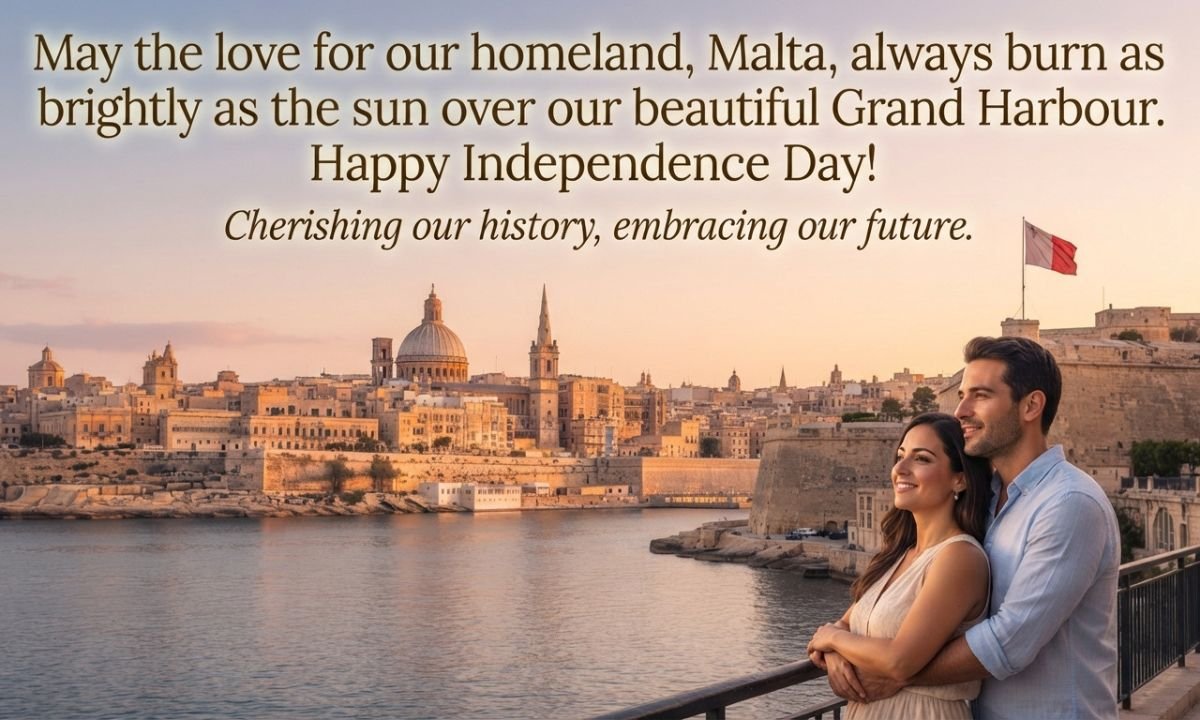
When is Malta Independence Day Celebrated?
Malta Independence Day falls on 21 September every year, commemorating the exact date in 1964 when Malta officially separated from British rule. It is a public holiday, meaning schools, banks, and most businesses remain closed, and the day is marked with official ceremonies, cultural events, and family gatherings across the islands.
History of Malta’s Independence
Ancient Rulers of Malta (Phoenicians to Knights of St. John)
Malta’s location at the heart of the Mediterranean Sea made it a prized territory for centuries. Over time, the islands were ruled by the Phoenicians, Carthaginians, Greeks, Romans, Byzantines, Arabs, Normans, Sicilians, Spanish, and eventually the Knights of St. John, who governed Malta from 1530. Each civilization left behind traces of language, architecture, and tradition that still shape Maltese identity today.
British Colonial Rule (1814–1964)
After the French were expelled from Malta in 1800 with British assistance, Britain formally gained full sovereignty over the islands in 1814. Malta became a crucial strategic and military base for the British Empire, serving as a midway point between Gibraltar and the Suez Canal, and later hosting the British Mediterranean fleet.
Malta’s Role in World War II & the George Cross
Malta played an extraordinary role during World War II, enduring relentless bombing campaigns from Axis forces due to its strategic importance. In recognition of the island’s exceptional courage, King George VI awarded Malta the George Cross in 1942 — a rare honor typically reserved for individuals, making Malta the first entire nation to receive it. The George Cross remains a permanent symbol on the Maltese flag to this day.
Path to Self-Governance (1947 Onwards)
Following the war, Britain granted Malta a renewed sense of local governance. Self-rule was restored in 1947, allowing the Maltese people greater control over internal affairs, even as Britain retained authority over defense and foreign policy. This period saw growing political debate over Malta’s future — whether to integrate more closely with Britain or pursue full independence.
21 September 1964 – The Day Malta Became Independent
After years of negotiation, Malta officially gained independence from the United Kingdom on 21 September 1964. Prime Minister Ġorġ Borġ Olivier signed the instruments of independence on a sunny day in Valletta, formally establishing Malta as a sovereign state within the Commonwealth of Nations, known then as the “State of Malta,” with Queen Elizabeth II remaining as head of state.
From Independence to Republic (1974) and Freedom Day (1979)
A decade after independence, Malta took the next step in its sovereign journey by declaring itself a Republic in 1974, severing its constitutional ties to the British monarchy as head of state. Finally, on 31 March 1979, the last British military forces departed the island, an event now commemorated separately as Freedom Day.
How is Independence Day Celebrated in Malta?
National Events in Valletta
The capital city of Valletta hosts the main Independence Day celebrations, including official government ceremonies, military parades, and public addresses by national leaders. Crowds gather at key historical sites, including the Independence Monument in Floriana, to honor the occasion.
Traditions and Local Customs
Families across Malta mark the day with gatherings, fireworks, and cultural festivals. Traditional Maltese food, music, and folk performances are common, along with displays of the national flag throughout towns and villages. Many communities also organize local exhibitions highlighting Malta’s journey to sovereignty.
Best Malta Independence Day Quotes
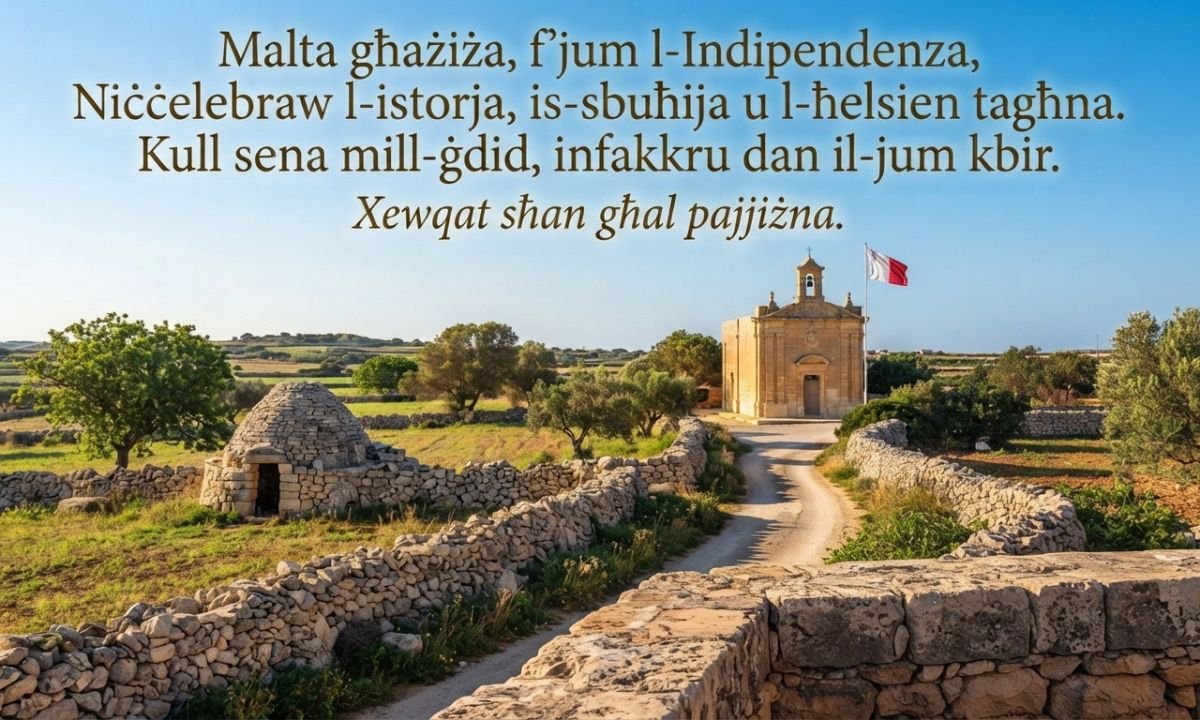
Inspirational Quotes on Freedom
“A nation’s true strength lies not in the length of its rule by others, but in the resilience with which it reclaims its own destiny.”
“The greatest victory of a nation is not on the battlefield, but in the moment it chooses to stand alone.”
“Freedom is never given easily — it is built through the quiet courage of generations.”
Patriotic Quotes for Malta
“A small island with a mighty spirit — Malta proved that freedom knows no size.”
“From centuries of foreign rule to a sovereign nation — Malta’s story is one of unwavering resilience.”
“The George Cross on our flag reminds us that courage, not size, defines a nation.”
Malta Independence Day Wishes & Messages
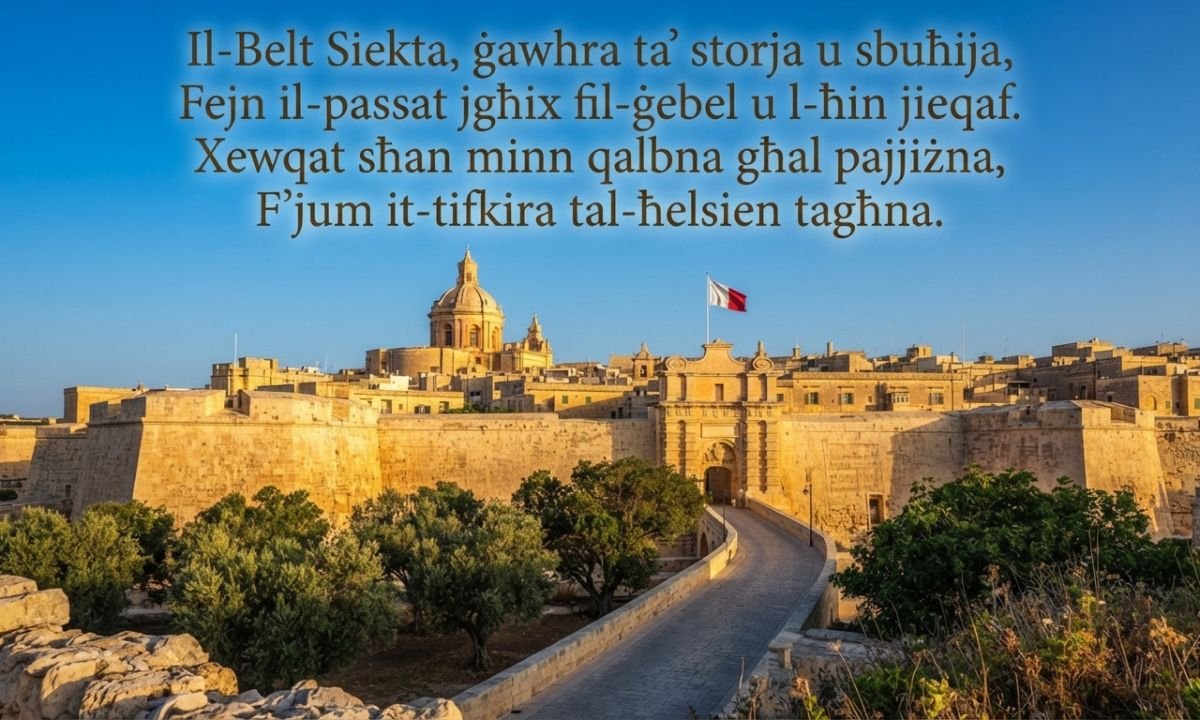
Wishes to Share on WhatsApp/Social Media
🇲🇹 “Happy Jum l-Indipendenza! Wishing Malta and its people continued peace, prosperity, and pride.”
🇲🇹 “Celebrating the resilience of the Maltese people and their journey to sovereignty. Happy Independence Day, Malta!”
🇲🇹 “May the spirit of freedom that built this beautiful nation shine on forever!”
Formal Independence Day Greetings
“On this historic day, we extend our warmest congratulations to the people of Malta on the anniversary of their independence.”
“Wishing the nation of Malta continued growth, unity, and prosperity as it celebrates another year of sovereignty.”
“Honoring Malta’s rich history and the enduring spirit of its people on this Independence Day.”
Why Malta Independence Day Still Matters Today
National Identity and Legacy
Independence Day is deeply tied to Malta’s sense of national identity. It represents the culmination of centuries of foreign rule and stands as a symbol of the resilience of the Maltese people, who preserved their language, culture, and religion despite continuous outside influence.
Malta’s Place in the Commonwealth & EU
Since gaining independence, Malta has maintained strong ties with the Commonwealth of Nations while also becoming a member of the European Union in 2004. This dual identity — rooted in its independence history yet integrated into modern European structures — reflects how far the small island nation has come since 1964.
Famous places to visit in Malta
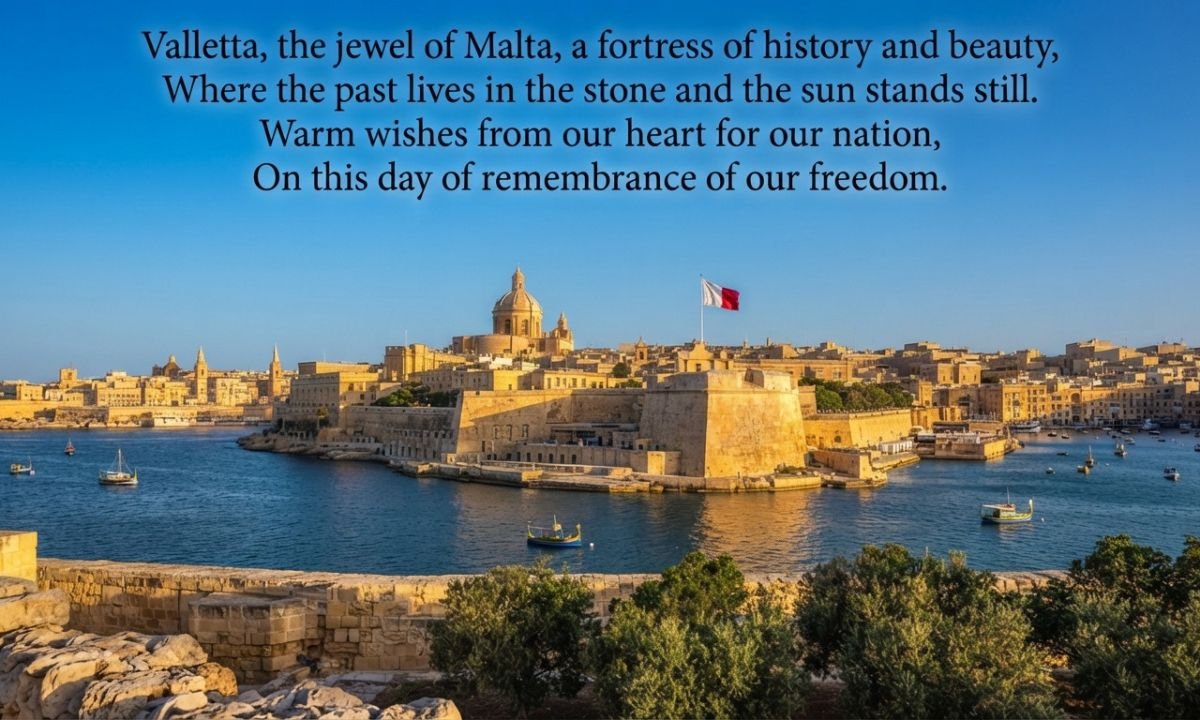
Why Visit Malta?
Malta, a small island nation in the heart of the Mediterranean, is packed with ancient history, stunning coastlines, and unique cultural experiences. From prehistoric temples older than the pyramids to Hollywood filming locations, Malta offers something for every type of traveler.
Top Historical & Cultural Attractions in Malta
Upper Barrakka Gardens, Valletta
One of the most iconic spots in Malta, Upper Barrakka Gardens offers a breathtaking panoramic view of the Grand Harbour and the Three Cities. Visitors can watch the historic Saluting Battery cannons fire daily at noon and 4:00 PM. Entry is free, and it’s centrally located near St. John’s Co-Cathedral and Republic Street.
Mdina – The Silent City
Known as the “Silent City,” Mdina is an ancient walled city and former capital of Malta. Famous for its car-free cobblestone streets, Baroque architecture, and dramatic Mdina Gate, this UNESCO-listed city gained global fame as a filming location for Game of Thrones. A must-visit for history lovers and photographers alike.
Ħaġar Qim Archaeological Temples
Dating back over 5,500 years, the Ħaġar Qim Temples are part of Malta’s UNESCO World Heritage-listed megalithic temples — considered some of the oldest free-standing structures in the world, even older than Stonehenge and the Egyptian pyramids. The site includes a modern visitor center with exhibits and audio guides.
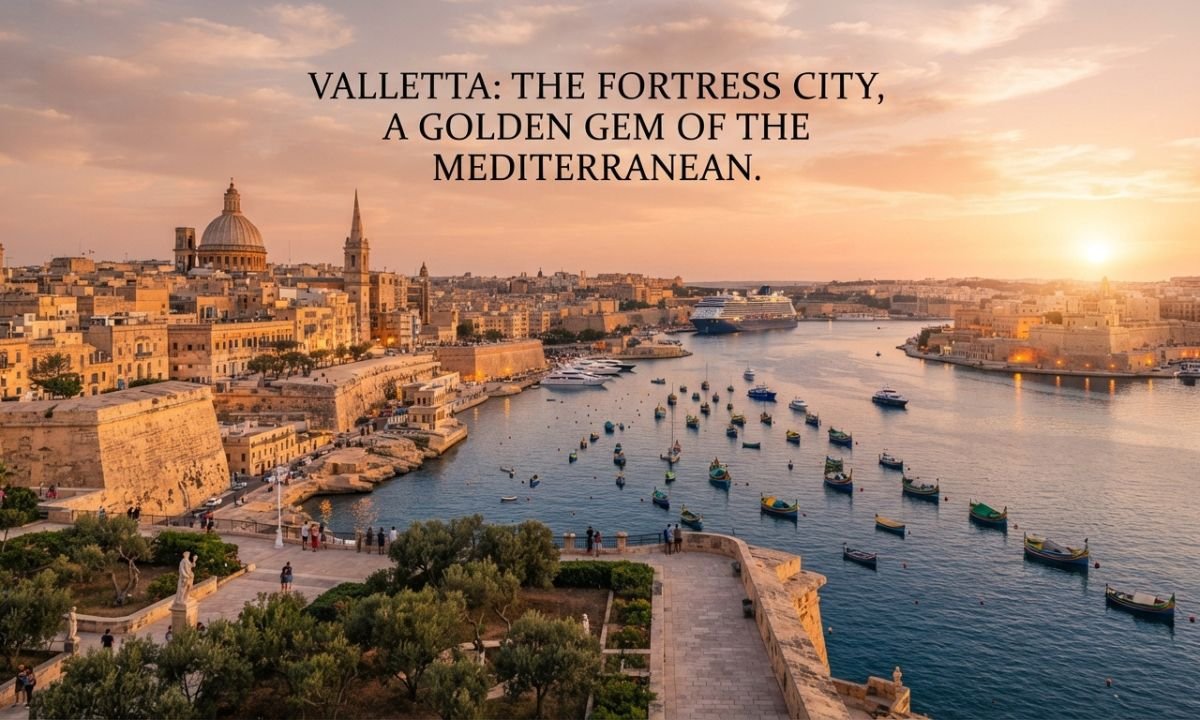
Best Natural & Scenic Spots in Malta
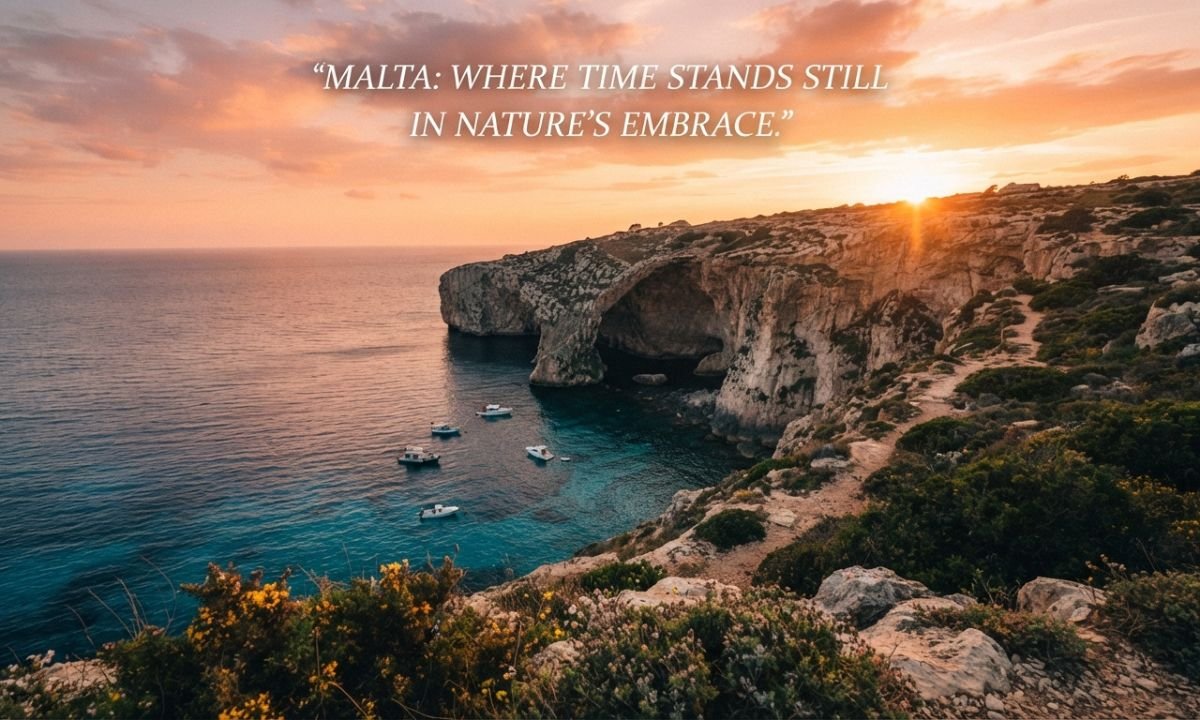
Blue Grotto
The Blue Grotto is a stunning sea cave system known for its crystal-clear turquoise waters. A short boat tour takes visitors through the caves, best experienced early in the morning when sunlight creates a brilliant blue glow in the water.
Dingli Cliffs
As the highest point on the island, Dingli Cliffs offer sweeping views of the Mediterranean Sea. It’s a popular spot for sunset watching, peaceful walks, and photography, with nearby coastal trails for those who enjoy hiking.
Top of the World Viewpoint
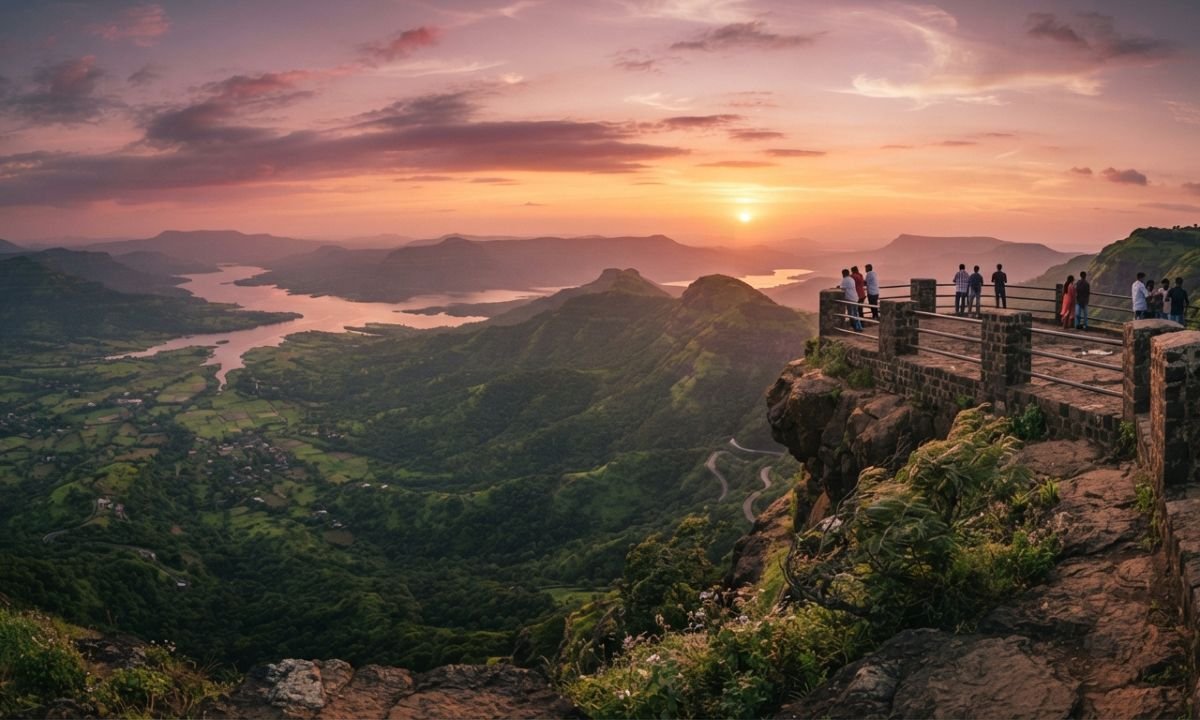
A quieter, lesser-known gem, this scenic viewpoint offers panoramic coastal views and access to the historic Victoria Lines walking trail — perfect for travelers looking to avoid crowds.
Family-Friendly & Fun Attractions
Popeye Village
Originally built as a film set for the 1980 movie Popeye, this colorful village on Anchor Bay has been transformed into a family-friendly attraction. Visitors can enjoy swimming, boat rides, themed activities, and stunning views of the emerald-green bay.
Travel Tips for Visiting Malta
Best time to visit: Spring (March–May) and autumn (September–November) offer pleasant weather without peak summer crowds.
Getting around: Public buses connect major attractions affordably; renting a car gives more flexibility for cliffside and countryside spots.
What to bring: Comfortable walking shoes (cobblestone streets in Mdina and Valletta), sun protection, and cash for smaller boat tours like the Blue Grotto.
Also Read/beautiful-nature-poetry-celebrate-beauty/
Conclusion
Malta’s Independence Day is more than a public holiday — it is a celebration of a small nation’s resilience against centuries of foreign domination, and its journey toward self-determination and modern statehood.
Frequently Asked Questions
Q1: When did Malta gain independence?
Malta gained independence from the United Kingdom on 21 September 1964.
Q2: Why is Malta Independence Day celebrated on 21 September?
This date marks the official signing of the instruments of independence, formally ending British colonial rule over the islands.
Q3: What is Jum l-Indipendenza?
It is the Maltese name for Independence Day, directly translating to “Day of Independence.”
Q4: Did Malta become a republic on Independence Day?
No, Malta became a republic a decade later, in 1974, transitioning from a Commonwealth realm to a full republic.
Q5: What is Freedom Day in Malta?
Freedom Day, celebrated on 31 March, marks the day in 1979 when the last British military forces left Malta.
